What Are The Typical Uses Of Structural Steel? A Comprehensive Guide
What Are The Typical Uses Of Structural Steel? A Comprehensive Guide
Structural steel is the backbone of modern construction. Its unique combination of strength, durability, and versatility makes it the material of choice for a vast array of projects, from towering skyscrapers to intricate bridges. But what exactly are the typical applications that make it so indispensable?
Primary Applications in Construction and Infrastructure
The most prominent uses of structural steel are found in the built environment. Its high strength-to-weight ratio allows for the creation of large, open spaces without the need for numerous supporting columns.
Commercial and Industrial Buildings
From shopping malls and office towers to warehouses and manufacturing plants, structural steel frames provide the skeleton. They allow for rapid construction, design flexibility for future modifications, and can support heavy loads from equipment and inventory.
Bridges and Transportation Hubs
Steel’s ability to span long distances makes it perfect for bridges. It is also crucial in airports, railway stations, and ports, where large, column-free areas are essential for movement and logistics.
Beyond Buildings: Other Key Uses
Structural steel’s utility extends far beyond traditional buildings.
Transmission Towers and Utility Structures
The electrical grid relies on steel lattice towers to carry high-voltage lines over long distances. Similarly, steel is used for lighting poles, traffic signal gantries, and telecommunication masts.
Residential Construction and Modular Building
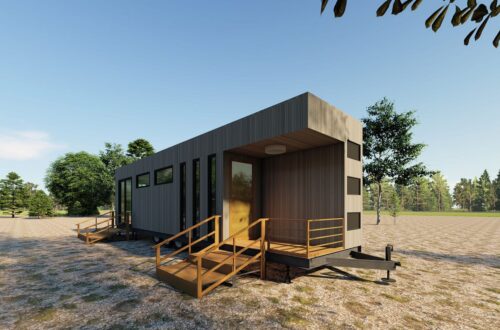
Increasingly popular in modern homes, steel framing offers precision, resistance to pests and warping, and is ideal for prefabricated and modular construction techniques, speeding up the building process.
Frequently Asked Questions (FAQs)
Q: Why is structural steel preferred over concrete?
A: Steel offers greater strength relative to its weight, allows for faster construction, and is more adaptable. It is also 100% recyclable.
Q: Is structural steel susceptible to fire?
A: While steel loses strength at high temperatures, modern fireproofing techniques like intumescent coatings and fire-resistant boards effectively protect structural elements to meet safety codes.
Q: How sustainable is structural steel?
A> It is one of the most sustainable construction materials. Steel is endlessly recyclable without loss of properties, and modern production continues to reduce its environmental footprint.
Ready to Specify Structural Steel for Your Project?
Understanding What Are The Typical Uses Of Structural Steel is the first step. For architects, engineers, and developers, choosing the right steel solutions is critical for success. Partner with a trusted supplier who can provide the quality, expertise, and support your vision requires.
Contact our expert team today for a consultation and discover how structural steel can form the foundation of your next ambitious build.