How Much Weight Can a Trampoline Hold? A Complete Weight Capacity Guide
Selecting a trampoline for your backyard or a commercial space requires careful consideration of one critical factor: weight capacity. Understanding how much weight a trampoline can hold is not just about preventing equipment damage; it is about safety, performance, and longevity. This comprehensive guide will explain the elements that determine trampoline limits, how to calculate individual and total capacity, and why exceeding these limits can be dangerous. Whether you are a parent planning a family purchase or a sports center operator, this guide provides the essential information you need.
Understanding Trampoline Weight Capacity: What Does It Really Mean?
The stated weight limit on a trampoline is the maximum user weight the manufacturer deems safe under normal use conditions. However, this number is not a simple hard floor; it is the result of complex engineering calculations involving the frame, springs, and jumping mat. It is crucial to note that the capacity is often a “maximum total weight” for a single user, not the combined weight of multiple jumpers. When several children jump together, the forces on the structure amplify, potentially exceeding the safe limit even if each individual is under the stated maximum. For a deeper understanding of how to interpret these specifications and safety norms, you can explore cuanto peso soporta un trampolin (how much weight a trampoline supports), which details safety standards that should be known.
The stress on a trampoline is not static. When a person jumps, the dynamic forces can be two to four times their body weight. A 150-pound adult performing a high bounce places approximately 300 to 600 pounds of instantaneous force on the frame and mat. Therefore, a trampoline with a stated limit of 250 pounds for a single user is already under significant stress from a 150-pound jumper. Always consider the dynamic load, not just the static weight.
The Structural Core: Frame and Spring System
The backbone of any trampoline is its steel frame. Frames made from galvanized steel with a larger diameter (e.g., 1.5 to 2 inches) and thicker wall gauge can support higher weights. For example, a trampoline with a 1.5mm thick frame is far more robust than one with a 0.8mm frame. The number of springs and their tension also dictate how much force the mat can absorb. More springs generally mean a higher total weight capacity, as they distribute the load more evenly. The quality of the spring system—whether it is straight or conical—also influences how the trampoline handles force.
The Jumping Mat and Enclosure: Critical Components
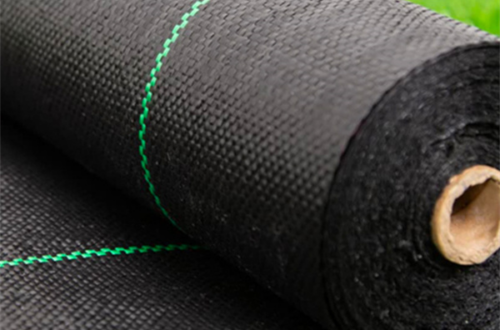
The jumping mat (or bed) is made from polypropylene (PP) or similar woven materials. Its load-bearing limit depends on the **stitching pattern** and **material density**. A high-quality, tightly woven 6-inch or 8-inch mat is capable of supporting more weight than a thinner, loosely woven alternative. The enclosure netting, while not a support component, must be strong enough to prevent a falling user from breaking it, which requires robust pole sleeving and netting material. The **weight capacity of the enclosure** is often overlooked but is vital for safety.
The final piece is the **safety pad**, which covers the springs and frame. While not a structural component, its thickness (typically 1 inch to 1.5 inches of foam