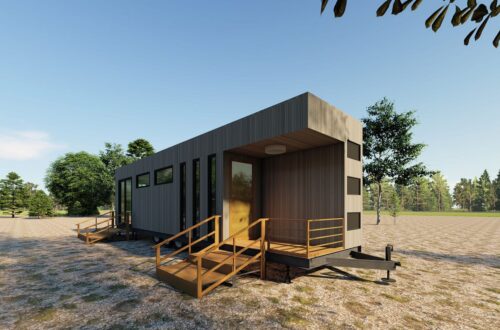
How to Build a Steel Frame Tiny House: A Step-by-Step Guide
How to Build a Steel Frame Tiny House: A Step-by-Step Guide
Dreaming of a durable, modern, and customizable tiny home? Building with a steel frame offers incredible strength, design flexibility, and resistance to pests and rot. This guide walks you through the essential steps to turn that dream into a reality.
Why Choose a Steel Frame for Your Tiny House?
Before we dive into the construction process, let’s explore the benefits. A steel frame tiny house is incredibly strong, allowing for larger open spaces without supporting walls. It’s also termite-proof, fire-resistant, and won’t warp or shrink like wood. For a comprehensive look at planning and benefits, check out this detailed resource on How To Build A Steel Frame Tiny House.
Planning and Design Phase
Every successful build starts with a solid plan. First, determine your tiny house dimensions based on your needs and local trailer specifications. Create detailed floor plans and elevation drawings. This is also the time to research building codes and zoning regulations in your area, as requirements for steel structures can vary.
Fabricating the Steel Frame
This is the core of your project. You’ll need to cut, weld, and assemble the steel studs and track channels according to your plans. Precision is key for square and level walls. If you’re not an experienced welder, consider hiring a professional or purchasing a pre-fabricated tiny house steel frame kit to ensure structural integrity.
Step-by-Step Assembly Guide
With your frame ready, the assembly begins on a heavy-duty trailer.
Securing the Frame to the Trailer
Bolt the main steel floor frame securely to the trailer using robust brackets. This connection is critical for safety during transport. Ensure everything is perfectly level before proceeding.
Erecting Walls and Roof
Lift and secure the wall panels to the floor frame, bracing them temporarily. Then, attach the steel roof trusses. The lightweight nature of steel makes this easier than with heavy timber, but proper bracing is still essential for stability before sheathing.
Installing Sheathing and Utilities
Once the skeleton is up, cover it with exterior sheathing. Then, run your electrical wiring and plumbing lines through the frame cavities. Steel frames make this process straightforward, as you can easily drill holes for conduit and PEX lines.
Insulation and Finishing
Proper thermal insulation is crucial in a steel home to prevent thermal bridging and condensation. Use high-R-value spray foam or rigid foam boards. After insulation, you can install interior walls, flooring, cabinets, and fixtures to complete your cozy space.
Frequently Asked Questions (FAQ)
Is a steel frame tiny house more expensive?
Initially, yes. Material costs can be higher than