The Ultimate Guide to Automotive Bushings: Types, Functions, and Maintenance Tips
The Ultimate Guide to Automotive Bushings: Types, Functions, and Maintenance Tips
Often overlooked, automotive bushings are the silent heroes of your vehicle’s suspension and steering systems. These small components play a massive role in ride comfort, handling, and safety. This guide will demystify everything you need to know.
What Are Automotive Bushings and Why Are They Crucial?
Automotive bushings are vibration-damping components, typically made of rubber, polyurethane, or metal, that fit between two moving parts. Their primary function is to absorb shocks, reduce noise, and allow for controlled movement, protecting other components from wear and tear.
Key Functions of Suspension Bushings
Their core duties include noise and vibration isolation for a quieter cabin, controlled articulation to allow wheels to move properly over bumps, and component protection by preventing metal-on-metal contact. For high-quality options, explore automotive bushings from trusted suppliers.
Common Types of Automotive Bushings
Understanding the different types helps in diagnosis and replacement.
Control Arm Bushings
These connect the control arm to the vehicle’s frame, crucial for wheel alignment and stability. Worn control arm bushings cause vague steering and uneven tire wear.
Stabilizer Bar Bushings
Mounted on the sway bar, these reduce body roll during cornering. Failure leads to excessive leaning and clunking noises.
Strut Mount Bushings
Sitting atop the strut assembly, they isolate shock from the chassis. Bad strut mounts create knocking sounds over bumps.
Spotting Worn Bushings: Symptoms and Diagnosis
Watch for these warning signs: excessive vibration in the steering wheel or floorboard, clunking or knocking noises over irregularities, vague or imprecise steering feel, and uneven tire wear. A visual inspection for cracked, torn, or missing rubber is also key.
Maintenance Tips and Replacement Guidance
While rubber bushings degrade over time, you can extend their life by avoiding harsh impacts like potholes and keeping them clean from corrosive fluids. Replacement is a precise job often requiring specialized tools; consulting a professional mechanic is recommended for most drivers.
Frequently Asked Questions (FAQ)
Q: How long do automotive bushings typically last?
A: Lifespan varies (50,000-100,000 miles), depending on driving conditions, climate, and material quality.
Q: Can I drive with a bad bushing?
A: It’s not advised. Worn bushings compromise handling, accelerate wear on other parts, and can be a safety hazard.
Q: What’s better, rubber or polyurethane bushings?
A: Rubber offers superior comfort and noise isolation. Polyurethane provides sharper handling and durability but may transmit more vibration.
Keep Your Ride Smooth and Safe
Don’t ignore those strange noises or vague steering. Proactive attention to your vehicle’s bushings is an investment in a smoother, safer, and more enjoyable driving experience. For your next service, ask your mechanic to check the condition of
You May Also Like

**AI Meets Fashion: How Artificial Intelligence is Redefining Style and Sustainability**
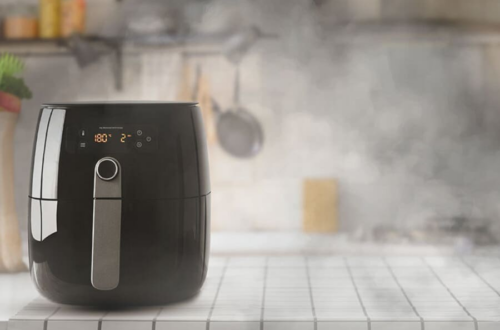
Why Is My Air Fryer Oven Smoking?